oklahoma script pdf
Overview of Oklahoma Script PDFs

These documents capture the state’s rich theatrical heritage, offering scholars, performers, and enthusiasts access to original scripts, annotated drafts, and production notes. They provide insight into local storytelling traditions and evolving performance practices.
They preserve narratives for scholars now.

1.1 Definition and Scope
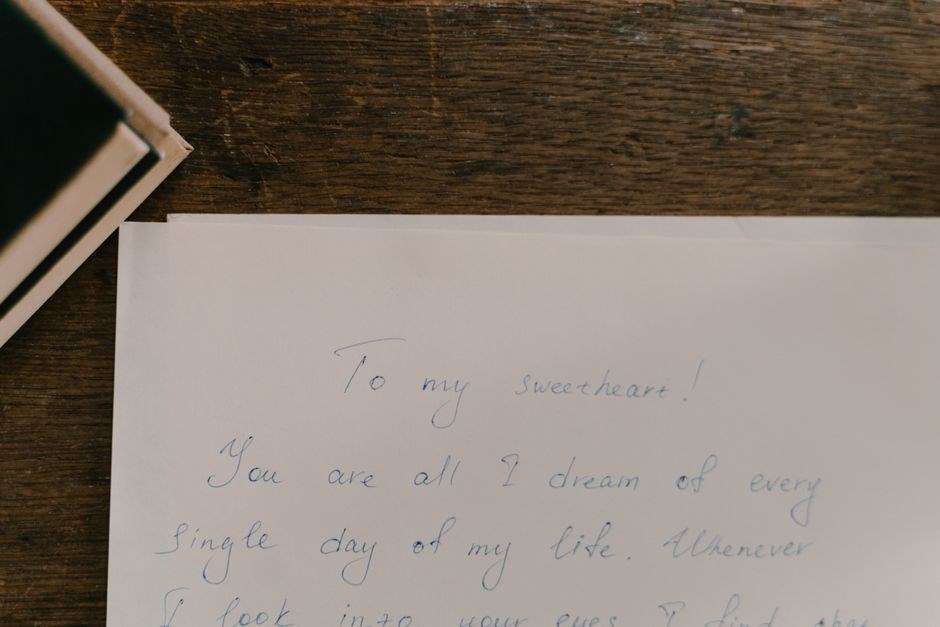
In the context of Oklahoma’s theatrical and literary heritage, a “script PDF” refers to a digital file containing the full text of a play, musical, or dramatic work produced, performed, or archived within the state. These PDFs are typically created by high‑resolution scanning of original manuscript pages, handwritten drafts, or typed copies, then converted into a searchable format that preserves layout, stage directions, character names, and marginalia. The scope of Oklahoma script PDFs extends beyond transcription; it includes early 20th‑century vaudeville scripts, mid‑century community‑theatre productions, contemporary works by Native American playwrights, and experimental pieces staged in university laboratories or community centers. By compiling these documents into a standardized PDF format, archivists and scholars ensure long‑term accessibility, facilitate comparative studies, and support digital humanities projects that map thematic trends, linguistic shifts, and performance practices across decades. The definition also recognizes legal and ethical responsibilities associated with digitizing copyrighted works, ensuring permissions are obtained where necessary and public‑domain materials are identified and made freely available. In sum, Oklahoma script PDFs serve as a bridge between past and present, offering the state’s diverse theatrical lineage. These PDFs also enable research, linking literature, history, and cultural studies, and they serve as sources for educators, archivists, and the public seeking to explore Oklahoma’s artistic legacy. legacy. for the state
Key Sources and Access Points
Primary sources include the Oklahoma Historical Society archives, university collections, and theater libraries. Digital repositories such as the State Library’s e‑collection and the Oklahoma Digital Heritage portal provide PDF downloads, while local community centers host scanned originals and rare scripts!!
2.1 State Archives and Libraries
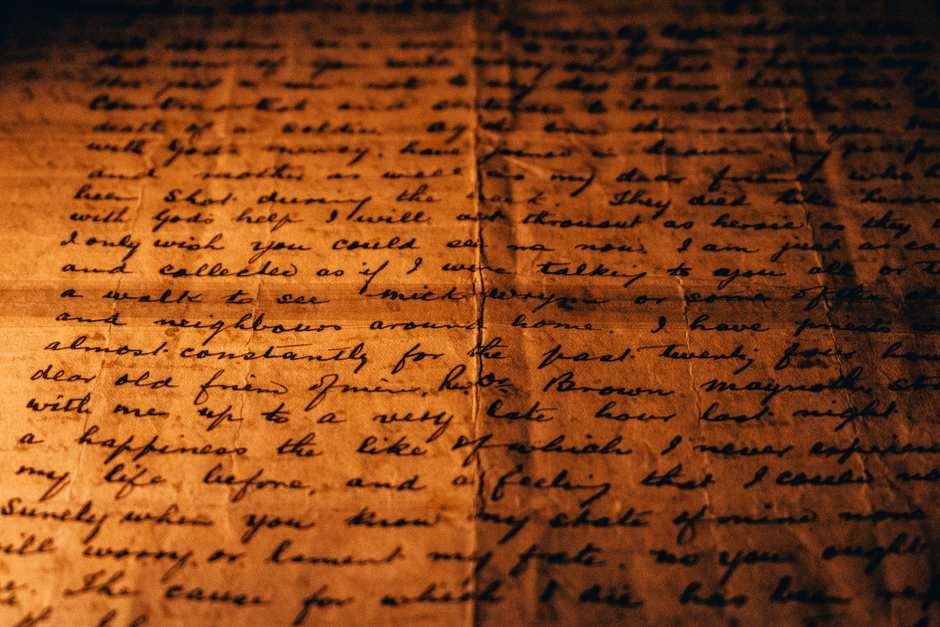
Oklahoma’s state archives serve as the central hub for preserving theatrical manuscripts, including original scripts, production notes, and backstage correspondence. The Oklahoma Historical Society’s archival wing houses a vast collection of digitized and physical documents that trace the evolution of regional theater from the early 20th century to contemporary productions. Researchers can access these materials through the Society’s online portal, which offers searchable metadata and high‑resolution PDF downloads. In addition, the State Library of Oklahoma provides a dedicated theater collection that includes rare scripts, costume sketches, and rehearsal logs. This library’s digital repository is regularly updated with new acquisitions, and it offers a user‑friendly interface for locating specific titles or authors. Local university libraries, such as the University of Oklahoma’s Special Collections, also maintain extensive holdings of Oklahoma‑based playwrights and performance archives. These collections often feature annotated manuscripts, correspondence between playwrights and directors, and original stage designs. Access to these resources is typically granted through a combination of on‑site visits and digital requests, with many items available for immediate download as PDFs; For scholars and enthusiasts, the combination of state archives, libraries, and university collections provides a comprehensive network for exploring Oklahoma’s theatrical heritage in depth. These PDFs are cited in scholarly articles and stage productions.
2.2 University Collections
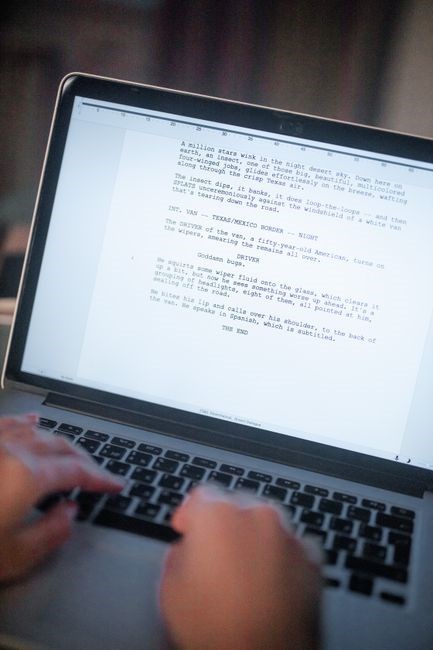
University archives in Oklahoma provide a rich repository of theatrical documents, including original scripts, annotated drafts, and production notes. The University of Oklahoma’s Special Collections houses a dedicated theater archive that features works by local playwrights, early 20th‑century productions, and contemporary experimental pieces. Digital scans of these manuscripts are available as PDFs through the university’s online portal, allowing researchers to access high‑resolution images without traveling to campus. The university’s Library of Performing Arts also offers a curated collection of playbills, rehearsal schedules, and director’s notes, many of which have been digitized for preservation and scholarly use. Students and faculty can request copies of these PDFs for coursework, theses, or research projects, and the library’s interlibrary loan system facilitates sharing with other institutions. In addition, the university hosts an annual digital exhibition that showcases selected scripts and related ephemera, providing context and commentary from scholars. The combination of physical preservation, digital accessibility, and academic support makes university collections a vital resource for anyone studying Oklahoma’s theatrical history. These PDFs are frequently cited in academic journals, conference presentations, and stage production programs, underscoring their importance in both scholarly and creative communities. Researchers often combine these PDFs with oral histories and production photographs to reconstruct the full sensory experience of early Oklahoma theater. 2024!
2.3 Online Databases and Repositories
Digital platforms have become essential for preserving and disseminating Oklahoma’s theatrical legacy. The Oklahoma Historical Society’s online portal hosts a searchable database of digitized scripts, ranging from early vaudeville acts to contemporary stage plays. Users can filter by year, playwright, or venue, and each entry includes a high‑resolution PDF download, a brief synopsis, and contextual notes. The National Theatre Digital Archive (NTDA) also features a dedicated Oklahoma section, offering access to rare manuscripts that were once only available in physical form. NTDA’s interface allows researchers to view page‑by‑page scans, annotate passages, and export citations in multiple formats. In addition, the Library of Congress’s “American Theatre” collection contains a curated set of Oklahoma scripts, many of which are available as PDFs through the Library’s digital services; These PDFs are often accompanied by metadata such as production dates, cast lists, and critical reviews, providing a comprehensive view of each work’s history. For scholars seeking collaborative tools, the Open Library’s “Play Scripts” project includes a subset of Oklahoma plays that can be downloaded, shared, and cited within the open‑access framework. Finally, the university‑hosted “Oklahoma Play Archive” on the university’s digital commons offers a user‑friendly interface for browsing, searching, and downloading PDFs of scripts from local theaters, community productions, and university‑run drama programs. Each platform emphasizes accessibility, ensuring that researchers, educators, and theater practitioners worldwide can explore Oklahoma’s rich script heritage without geographic barriers. Researchers can also request high‑resolution scans for detailed study, and many repositories offer citation tools to streamline academic writing. The integration of these digital collections into curriculum and performance planning demonstrates the evolving role of technology in preserving regional arts. These resources collectively form a digital ecosystem that supports academic inquiry and practice, bridging historical documentation with performance.
Legal and Ethical Considerations
When accessing Oklahoma script PDFs, verify public‑domain status or obtain permissions. Respect copyright terms, cite sources, and avoid distribution beyond authorized use. Ethical stewardship preserves creators’ rights and supports scholarly integrity. Consult a lawyer now
3.1 Public Domain Status

Public domain status determines whether a document can be freely used, shared, or reproduced without seeking permission. In Oklahoma, many historical scripts fall into the public domain due to the expiration of copyright terms or because they were never subject to copyright protection. The U.S. Copyright Act generally protects works for the life of the author plus 70 years, or 95 years from publication for works made for hire. Scripts published before 1927 are almost always in the public domain. For works published between 1927 and 1977, the status depends on whether the copyright was renewed; many Oklahoma scripts from that era lack renewal records, placing them in the public domain. Works created after 1978 are protected for the life of the author plus 70 years, so contemporary Oklahoma scripts are typically not public domain unless the author has died more than 70 years ago or the author has explicitly released the work into the public domain. Additionally, Oklahoma’s state statutes and archival policies may provide guidance on the use of state‑produced scripts. When in doubt, consult the Oklahoma State Archives or the Oklahoma Historical Society for definitive status. Always verify the specific publication date, author, and renewal status before using a script for public or commercial purposes. This ensures compliance with federal copyright law and respects the rights of living authors and their estates. Researchers should always cross‑verif dates and consult archives to confirm public domain status before distribution. Legal safe Public domain status is crucial for researchers, playwrights, and educators seeking to adapt or perform these works.!
3.2 Copyright Restrictions
While some Oklahoma scripts are in the public domain, many remain under copyright protection. Copyright restrictions apply to the text, the specific wording, and that constitute original expression. The U.S. Copyright Act protects works for the life of the author plus 70 years, or 95 years from publication for works made for hire. For scripts published after 1978, the author’s rights typically persist until the end of that period. Even if a script is in the public domain, derivative works such as adaptations, translations, or annotated editions may be subject to new copyright claims. original! for reference. only. When accessing or distributing an Oklahoma script PDF, it is essential to verify the exact publication date, renewal status, and whether the work was a work for hire. If the script is still under copyright, obtaining a license from the rights holder—often the original playwright, their estate, or a publishing company—requires before public performance, reproduction, or digital distribution. Failure to secure proper clearance can result in infringement claims, fines, or injunctions. Researchers, educators, and theater companies should consult the Oklahoma State Archives or the U.S. Copyright Office to confirm status and secure permissions for reference. only! In cases where the copyright holder cannot be identified, a prudent approach is to treat the work as restricted and seek alternative sources or public domain replacements. This cautious strategy protects both the rights of creators and the integrity of Oklahoma’s theatrical heritage.
Practical Tips for Downloading and Managing PDFs
Use trusted sources like state archives, university libraries, or reputable online repositories. Download PDFs over secure connections, verify file integrity, and store them in folders by title and year. Use PDF readers with annotation tools and back up to external drives or cloud. and keep a backup copy now!!
4.1 Recommended Software and Tools
When working with Oklahoma script PDFs, choose tools that balance performance, accessibility, and feature depth. For reading and basic annotation, Adobe Acrobat Reader DC remains the industry standard, offering robust search, bookmarking, and text‑highlighting capabilities. Its free version supports PDF/EPUB conversion, which can be handy for creating study guides.
For more advanced editing—such as inserting page numbers, adjusting margins, or merging multiple script files, Foxit PDF Editor or Nitro Pro provide a lightweight alternative to Adobe, with a user‑friendly interface and lower memory footprint. Both support batch processing, making it easy to standardize a collection of scripts.
When you need to extract text for linguistic analysis or to feed into a script‑writing program, use ABBYY FineReader or Tesseract OCR. FineReader offers a high‑accuracy OCR suite with batch processing and export to Microsoft Word or LaTeX, while Tesseract, an open‑source engine, can be scripted for automated workflows.
For organizing large collections, consider Zotero or Mendeley. Both allow you to attach PDFs to bibliographic entries, tag them with custom metadata and generate citations. Their web‑scraping plugins can pull metadata from library catalogs automatically.
Use Git LFS or DVC to track PDF changes, maintain version history, and revert corrupted edits when needed. and keep backups for safety.!!
Finally, for backup and long‑term preservation, store PDFs in a format‑agnostic archive such as ISO 9660 or a ZIP file with checksum validation. Use cloud services like Google Drive or Dropbox for off‑site redundancy, and maintain a local backup on an external SSD or NAS device!!!2026
4.2 Organizing and Cataloguing
Begin by assigning a consistent naming convention that reflects the play’s title, author, and year. For example, “Coyote_Story_1923.pdf” keeps files searchable. Store each PDF in a structure: state > region > year > author. This mirrors the way libraries archive theatrical works and simplifies navigation.
Use a metadata schema such as Dublin Core or MODS to embed descriptive fields into the PDF. Fields like Title, Creator, Date, Subject, and Language improve discovery in both local and institutional repositories. Many PDF editors allow you to edit these tags without altering the content.
Tagging is essential for large collections. Create a vocabulary of themes—“Native American folklore,” “Western frontier,” “Urban drama”—and assign each script tags. This enables faceted search and thematic grouping. Store tags in a spreadsheet or database (SQLite) that links to the file path.
For version control, use a versioning system like Git LFS to track revisions. Include a changelog within the PDF’s metadata or a companion text file. This practice preserves the evolution of a script and supports scholarly analysis of edits over time.
Finally, schedule regular audits: verify file integrity with checksums, update metadata when new information surfaces, and back up the entire archive to local and cloud storage; A careful cataloguing routine ensures that Oklahoma script PDFs remain accessible, searchable, and preserved for future generations. daily checks now!!
4.3 Preservation and Backup Strategies
Implement a tiered storage model: keep primary copies on a dedicated NAS with RAID‑10 for redundancy, secondary copies on encrypted cloud services, and tertiary archival media such as M‑DISC or archival‑grade tape. Use the OAIS reference model to define ingest, archival storage, and access layers, ensuring that each PDF is accompanied by a preservation metadata record. Automate checksum generation (SHA‑256) after every write, and schedule quarterly integrity checks against the original source. Employ format migration tools to convert PDFs to PDF/A‑3 when necessary, preserving visual fidelity while ensuring long‑term readability. Maintain a versioned backup schedule: daily incremental snapshots, weekly full backups, and monthly off‑site copies. Document every step in a digital asset management system, linking each PDF to its backup lineage. Train staff on proper handling, including avoiding unnecessary edits that could corrupt the original. Finally, establish a disaster recovery plan that outlines recovery point objectives (RPO) and recovery time objectives (RTO) specific to the collection’s criticality. This comprehensive approach safeguards Oklahoma script PDFs against hardware failure, media degradation, and accidental loss, ensuring that future scholars and performers can access the state’s theatrical heritage with confidence. By integrating automated version control and employing a robust metadata schema, archivists can trace editorial changes, maintain provenance, and facilitate scholarly analysis, ensuring that each script remains historic document a future generations.