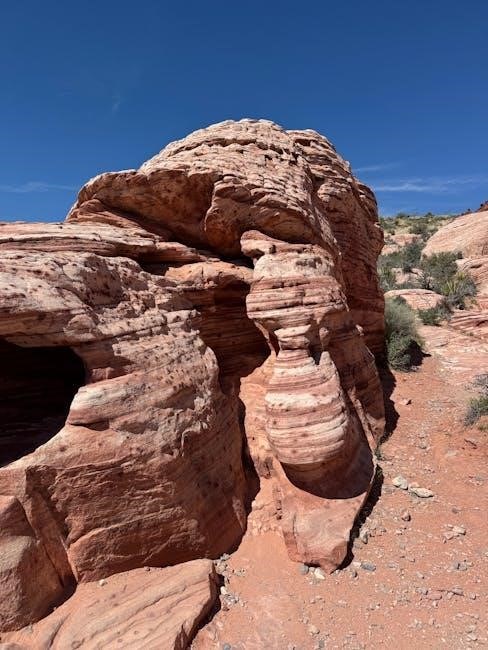
red rock canyon guide book
Red Rock Canyon: A Comprehensive Guidebook
Red Rock Canyon offers diverse experiences, from scenic drives to challenging climbs, attracting outdoor enthusiasts and photographers alike with its stunning landscapes.
Red Rock Canyon National Conservation Area, near Las Vegas, Nevada, presents a breathtaking landscape of vibrant red sandstone formations. This area boasts over 30 miles of scenic drives, 26 trails for all skill levels, and world-class rock climbing opportunities. It’s a haven for wildlife viewing, offering glimpses of desert bighorn sheep, tortoises, and various bird species. Visitors can delve into the region’s geological history and cultural heritage, making it a truly immersive outdoor experience.
Geological History & Formation
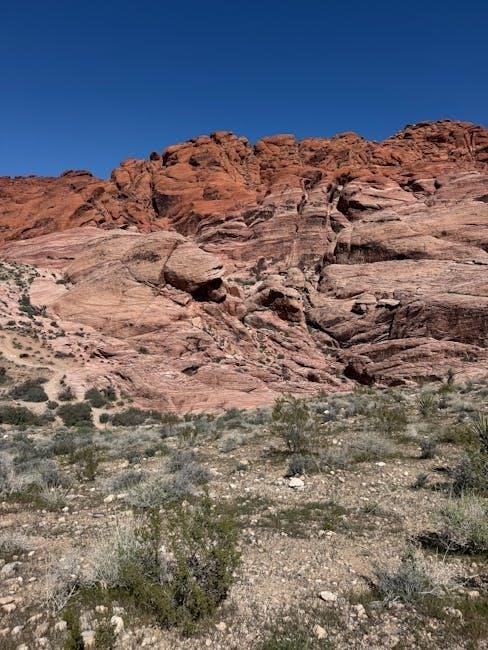
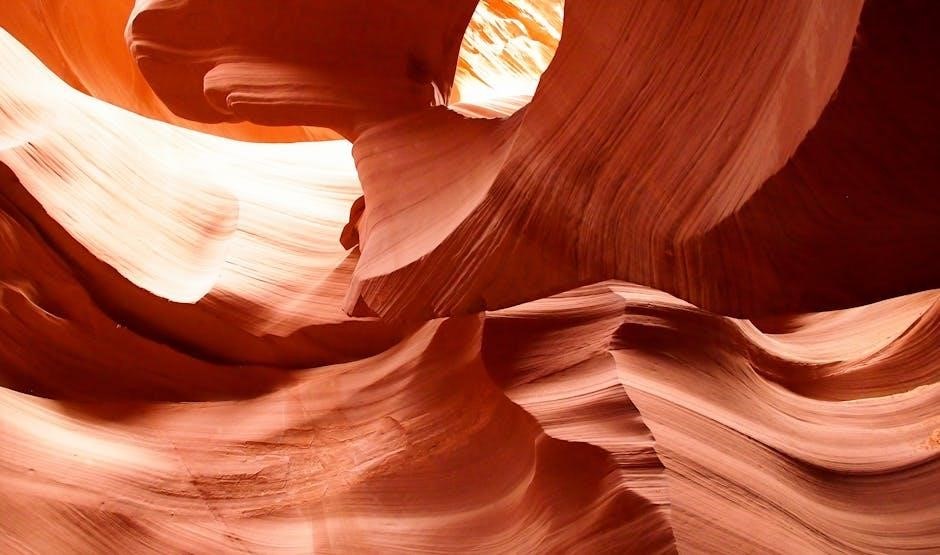
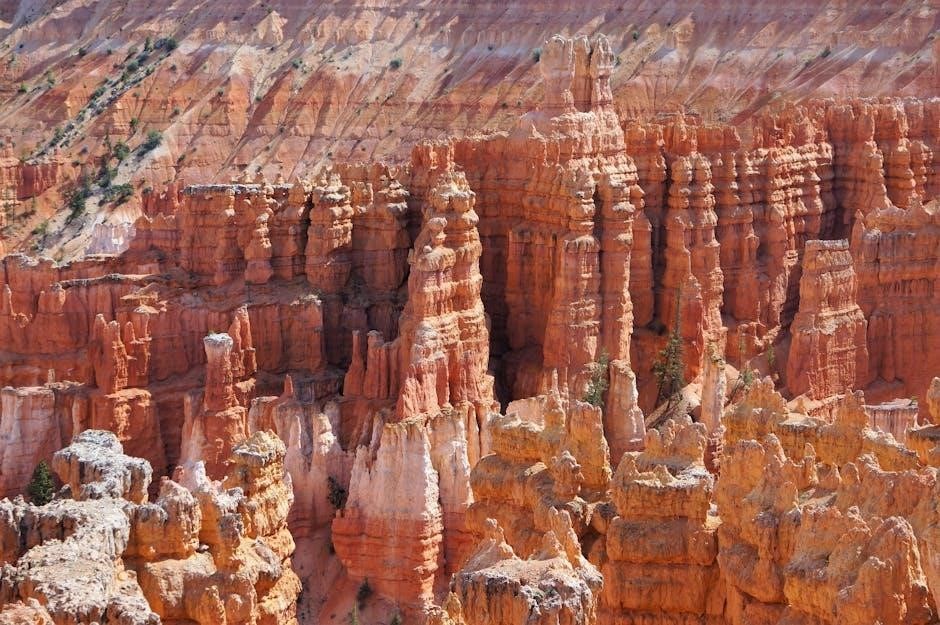
Red Rock Canyon’s dramatic scenery arose from ancient sand dunes deposited during the Paleozoic era, approximately 180 million years ago. Subsequent tectonic forces uplifted and faulted these sedimentary layers, creating the striking cliffs and canyons we see today. Erosion sculpted the sandstone into its current form, revealing layers of vibrant red, pink, and cream hues, showcasing millions of years of Earth’s history.
Key Areas & Trails
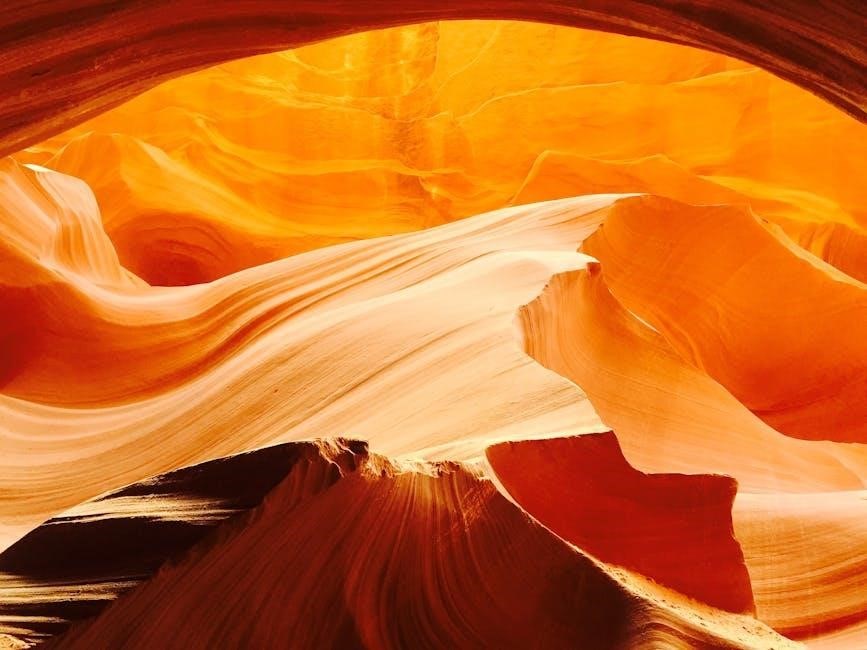
Red Rock Canyon boasts a network of trails catering to all skill levels. Popular areas include Calico Tanks, known for its seasonal waterfalls, and High Point Overlook, offering panoramic views. Lost Creek Canyon provides a more secluded experience. The 13-mile scenic drive accesses many trailheads, allowing exploration of diverse geological features and desert ecosystems.
Calico Tanks Trail
Calico Tanks Trail is a moderate 2.2-mile loop famed for its unique rock formations and seasonal pools of water. Hikers enjoy scrambling over sandstone and discovering hidden alcoves. Springtime wildflowers add vibrant color, while fall offers cooler temperatures. Be prepared for some exposure and bring plenty of water for this rewarding hike.
High Point Overlook Trail
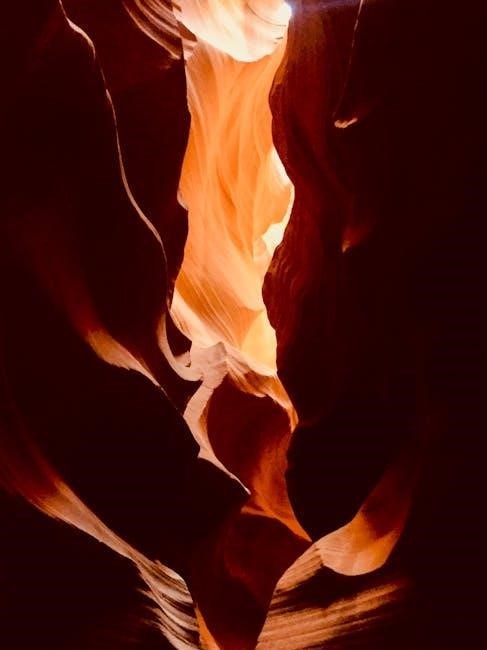
High Point Overlook Trail, a relatively short but steep climb, rewards hikers with panoramic views of Red Rock Canyon. This 1.5-mile out-and-back trail offers stunning vistas, especially during sunrise or sunset. Expect rocky terrain and significant elevation gain, making it a good workout. Bring water and wear sturdy shoes!
Lost Creek Canyon Trail
Lost Creek Canyon Trail presents a more secluded hiking experience, winding through a narrow canyon with towering red rock walls. This moderate 6.2-mile loop offers opportunities for wildlife viewing and peaceful contemplation. Be prepared for some stream crossings, potentially requiring waterproof footwear. It’s a beautiful, less-crowded option.
Rock Climbing & Bouldering
Red Rock Canyon is a world-renowned destination for rock climbing and bouldering, boasting sandstone formations that attract climbers of all skill levels. Numerous established routes offer varied challenges, from beginner-friendly slabs to demanding big walls. Proper gear, experience, and awareness of safety protocols are crucial for a rewarding climb.
Popular Climbing Routes
Red Rock Canyon features iconic climbs like the Crimson Spire, a multi-pitch adventure, and the challenging but rewarding Black Mountain Wall. Calico Hills offers numerous sport climbs suitable for various abilities. For bouldering, Kraft Boulders and Turtlehead Peak are highly regarded, presenting diverse problems for all levels of experience.
Safety Considerations for Climbing
Red Rock Canyon climbing demands respect for the desert environment. Carry ample water, be aware of extreme temperature swings, and check weather forecasts for potential flash floods. Proper gear, including helmets, is crucial. Communicate your plans, climb within your abilities, and understand potential rockfall hazards.
Wildlife Viewing & Conservation
Red Rock Canyon teems with diverse wildlife, including desert bighorn sheep, coyotes, and various bird species. Observe animals from a distance, never feed them, and respect their habitat. Conservation efforts are vital to protect this fragile ecosystem; adhere to park guidelines and report any concerning wildlife behavior.
Common Animal Species
Red Rock Canyon’s fauna includes desert bighorn sheep, often seen on rocky slopes, nimble coyotes adapting to the arid landscape, and various reptile species like lizards and snakes. Birdwatchers can spot ravens, hawks, and smaller songbirds. Keep an eye out for kit foxes and jackrabbits too!
Responsible Wildlife Observation
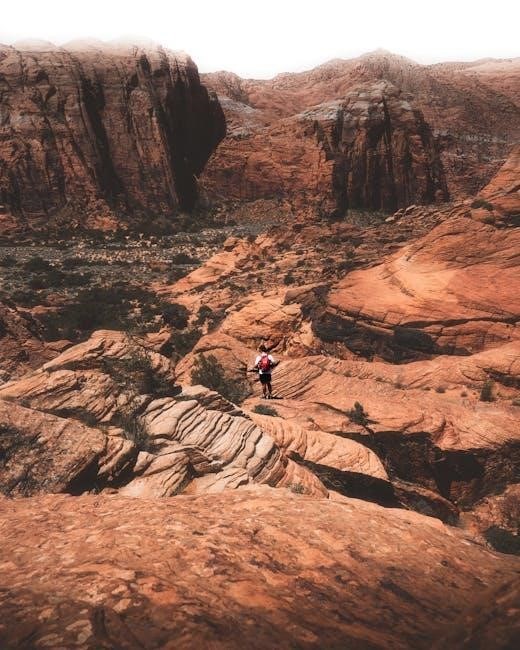
Observe wildlife from a respectful distance, never approach or feed animals, as human food harms them. Avoid disturbing habitats and nesting sites, especially during breeding seasons. Report any injured or distressed animals to park rangers. Remember, your actions impact their well-being and preserve the natural ecosystem.
Scenic Drives & Viewpoints
Red Rock Canyon boasts breathtaking scenic drives, offering panoramic views of the landscape. The 13-mile loop is a popular choice, showcasing diverse rock formations. Numerous viewpoints, like the Red Rock Canyon Overlook, provide stunning photo opportunities. Remember to pull over safely to enjoy the scenery and respect other drivers.
13 Mile Loop
The 13 Mile Loop is a one-way scenic drive showcasing Red Rock Canyon’s geological wonders. Allow at least 90 minutes to fully experience it, stopping at various pullouts for photos and short walks. Be mindful of cyclists and hikers. This route provides access to several trailheads and overlooks.
Red Rock Canyon Overlook
Red Rock Canyon Overlook delivers panoramic views of the entire area, especially breathtaking during sunrise and sunset. Easily accessible with a short paved trail, it’s a popular spot for photographers. Expect crowds, particularly during peak season. The overlook provides a stunning introduction to the canyon’s beauty.
Visitor Center & Amenities
The Red Rock Canyon Visitor Center serves as an excellent starting point, offering exhibits detailing the canyon’s geology, flora, and fauna. Helpful park rangers provide information and maps. Essential amenities include restrooms, water fountains, and ample parking, though it fills quickly during busy times. Plan accordingly!
Exhibits & Information
The Visitor Center’s exhibits vividly portray Red Rock Canyon’s 600 million-year geological history, showcasing ancient marine life and shifting desert environments. Interactive displays detail the native plants and animals thriving within the park. Informative brochures and maps are readily available, aiding visitors in planning their explorations.
Restrooms, Water & Parking
The Red Rock Canyon Visitor Center provides essential amenities, including clean restroom facilities and potable water filling stations – crucial for desert exploration. Parking can be limited, especially during peak season; arriving early is highly recommended. Overflow parking areas are available, requiring a short walk to the center.
Hiking Essentials & Safety
Prioritize safety when hiking Red Rock Canyon! Pack ample water – at least one gallon per person – alongside salty snacks, sunscreen, a hat, and sturdy hiking boots. Inform someone of your plans, and be aware of the potential for flash floods and extreme heat. A first-aid kit is also essential.
What to Pack
Essential items for Red Rock Canyon hikes include at least one gallon of water per person, high-energy snacks, and a wide-brimmed hat. Sunscreen with high SPF is crucial, alongside sunglasses and protective clothing. A basic first-aid kit, map, compass (or GPS), and a headlamp complete your packing list.
Desert Safety Tips
Stay hydrated by drinking water frequently, even if you don’t feel thirsty. Avoid strenuous activity during peak heat hours. Be aware of potential flash floods, especially during monsoon season. Inform someone of your hiking plans and stick to marked trails. Watch for wildlife and maintain a safe distance.
Photography at Red Rock Canyon
Red Rock Canyon presents incredible photographic opportunities, with dramatic light and shadow playing across the sandstone formations. Golden hour, shortly after sunrise and before sunset, provides the most favorable lighting conditions. Capture iconic spots like the Calico Tanks Trail or the scenic drives for breathtaking images.
Best Times for Photography
Optimal photography at Red Rock Canyon occurs during the “golden hours” – the first hour after sunrise and the last before sunset. These times deliver warm, soft light enhancing the red rock’s textures. Winter months offer clearer skies and crisper light, while spring showcases wildflowers adding vibrant color to your shots.
Iconic Photo Spots
Popular locations include the Red Rock Canyon Overlook, offering panoramic views, and Calico Tanks Trail, famed for its unique rock formations. The 13 Mile Loop provides diverse backdrops, while Lost Creek Canyon captures dramatic canyon walls. Don’t miss High Point Overlook for sunset vistas and vibrant colors.
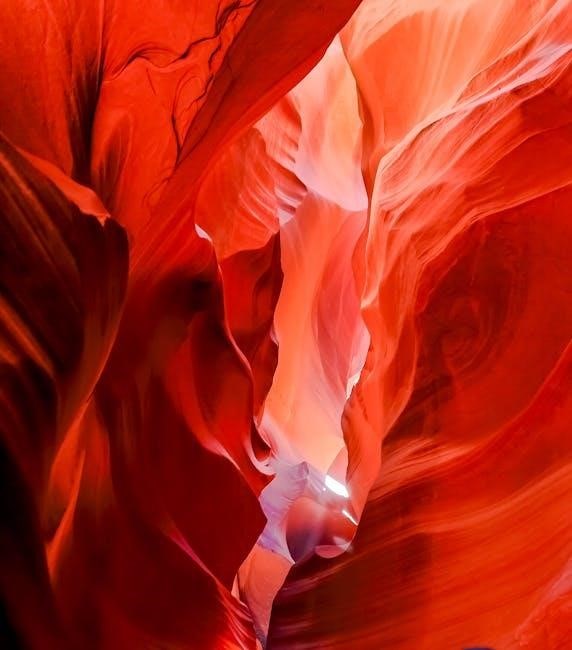
Camping & Backpacking
Red Rock Canyon offers a campground with reservations essential, especially during peak seasons. Backcountry camping requires permits, obtainable in advance, and adherence to regulations is crucial. Plan for limited water sources and practice Leave No Trace principles to preserve the delicate desert environment for future adventurers.
Campground Information
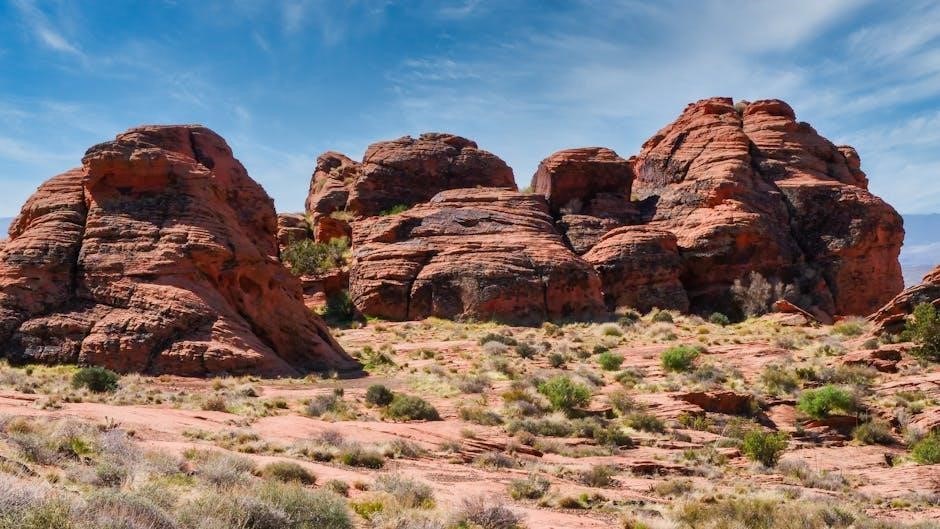
Red Rock Canyon’s campground features 72 individual sites, accommodating tents and RVs, with amenities including restrooms and water. Reservations are highly recommended via Recreation.gov, particularly from October through May. Expect limited shade and be prepared for temperature fluctuations; sites offer picnic tables and fire rings.
Backcountry Permits & Regulations
Backcountry camping at Red Rock Canyon requires a free permit, obtainable online or in person. Regulations emphasize Leave No Trace principles; pack out all waste and minimize impact. Campfires are restricted to designated stoves only. Be aware of wildlife and store food properly to prevent encounters.
Seasonal Considerations
Spring brings vibrant wildflowers, but also potential flash floods. Summer temperatures soar, demanding early starts and ample hydration; monsoon season introduces afternoon thunderstorms. Fall offers pleasant weather, ideal for hiking. Winter can be chilly, with occasional snow at higher elevations, impacting trail conditions.
Spring Wildflowers
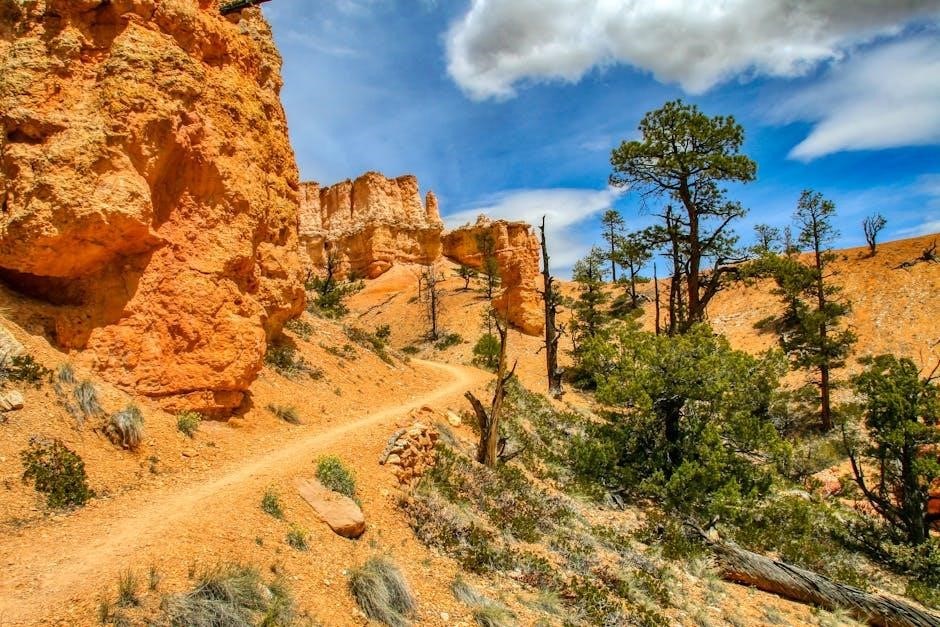
Spring transforms Red Rock Canyon into a colorful spectacle with desert wildflowers blooming after rainfall. Expect to see varieties like Desert Marigold, Brittlebush, and Penstemon. Peak bloom times vary yearly depending on moisture levels, typically occurring from March through May. Respect these delicate plants – stay on trails!
Summer Heat & Monsoon Season
Summer at Red Rock Canyon brings intense heat, often exceeding 100°F (38°C). Hike early or late, carry ample water, and wear protective clothing. July-September also marks monsoon season, bringing sudden thunderstorms and flash flood risks. Check the forecast before heading out and avoid canyons during storms!
Nearby Attractions & Day Trips
Beyond Red Rock Canyon, explore Nevada’s diverse offerings! Valley of Fire State Park boasts fiery sandstone formations, a short drive away. For a contrasting experience, Las Vegas Strip provides entertainment, dining, and shows. Consider a day trip to Hoover Dam, an engineering marvel, or Lake Mead for water activities.
Valley of Fire State Park
Valley of Fire, Nevada’s oldest state park, showcases ancient, brilliant red Aztec sandstone formations. Hike among the fiery landscapes, explore petroglyphs over 2,000 years old, and marvel at the Mouse’s Tank trail. Remember water and sun protection; this desert park is stunning but harsh!
Las Vegas Strip
The Las Vegas Strip, a globally renowned entertainment hub, provides a stark contrast to Red Rock Canyon’s natural beauty. Enjoy world-class shows, casinos, and dining experiences just a short drive away. It’s an ideal spot for evening entertainment after a day exploring the canyon’s trails.
Leave No Trace Principles
Preserving Red Rock Canyon requires adherence to Leave No Trace principles. Pack out everything you pack in, minimizing waste and impact. Respect wildlife by observing from a distance, and avoid disturbing their natural habitats. Stay on designated trails to protect fragile desert ecosystems for future generations.
Pack It In, Pack It Out
Essential for Red Rock Canyon’s preservation, this principle means carrying out all trash, food scraps, and equipment. Don’t bury waste; pack it securely. Leave natural objects like rocks and plants undisturbed for others to enjoy. Minimize your impact by planning ahead and reducing packaging before your visit.
Respect Wildlife
Observe animals from a distance, never approach or feed them, as human food is harmful. Protect their habitat by staying on designated trails and avoiding disturbing vegetation. Be mindful of nesting areas, especially during breeding seasons. Report any injured or distressed wildlife to park authorities immediately.
Red Rock Canyon History & Culture
Red Rock Canyon holds a rich history, deeply rooted in Native American heritage, with evidence of ancient settlements and cultural significance. Later, early settlers and ranchers utilized the land for grazing and limited agriculture, shaping the area’s early development. These historical layers contribute to the canyon’s unique character.
Native American Heritage
Red Rock Canyon’s landscape bears witness to centuries of Native American presence, particularly from the Southern Paiute people. Archaeological sites reveal evidence of their seasonal use for hunting and gathering. Rock art panels throughout the canyon showcase their cultural beliefs and stories, offering glimpses into their ancestral lives.
Early Settlers & Ranching
Red Rock Canyon saw limited settlement until the mid-19th century, with early pioneers and ranchers drawn to the area’s sparse resources. Ranching proved challenging due to the arid climate, yet families established homesteads, leaving remnants of stone structures and irrigation systems. These early settlers shaped the canyon’s initial development.